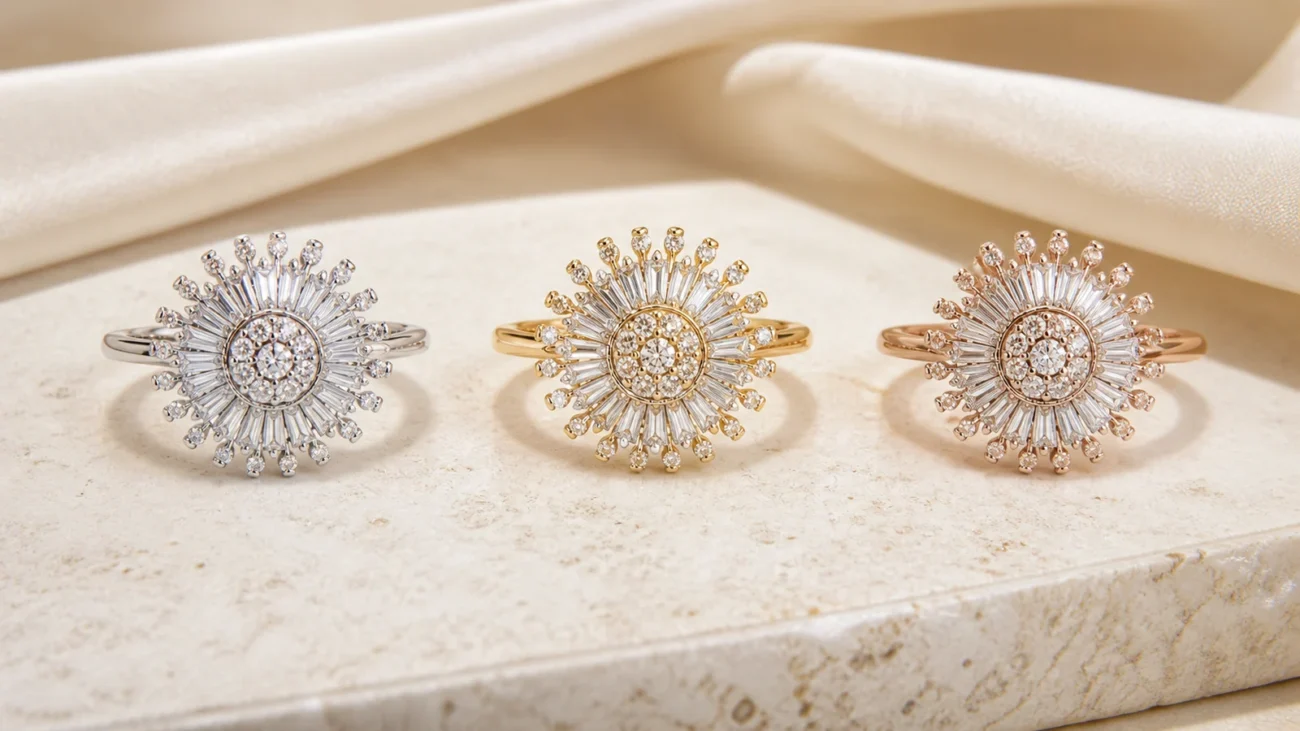
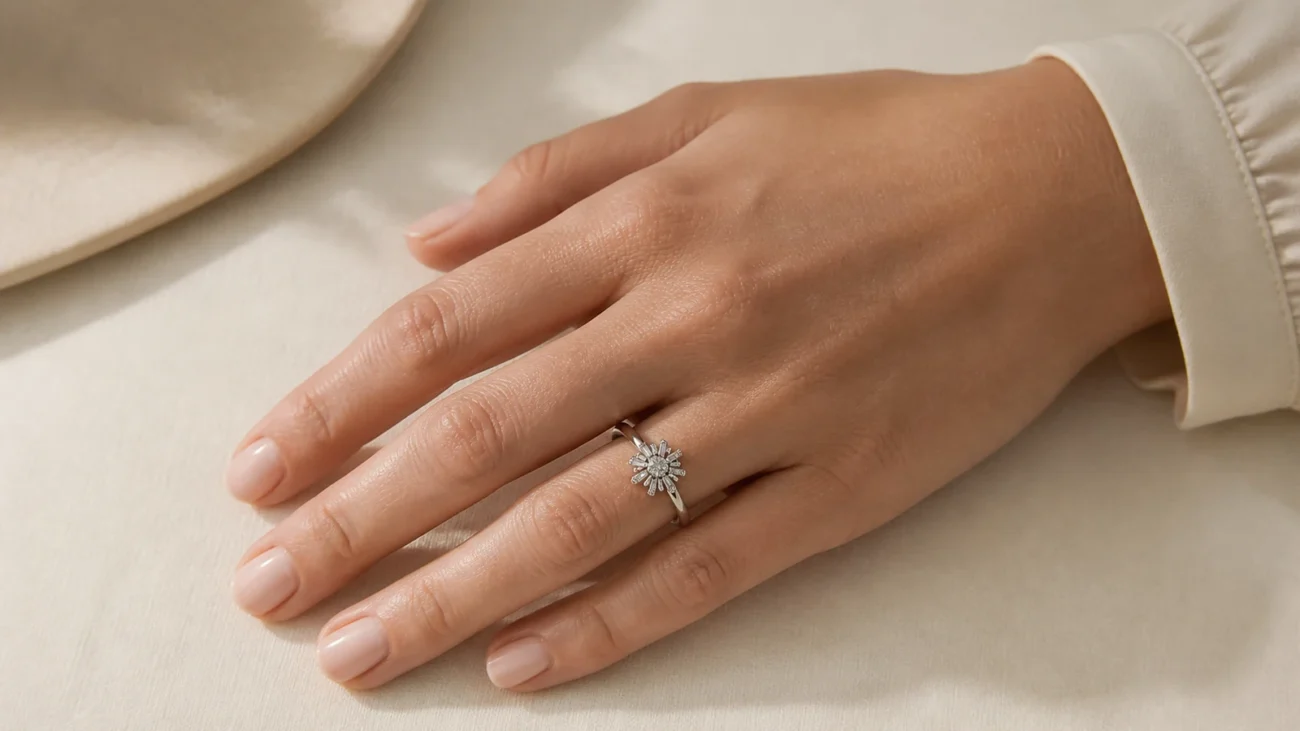
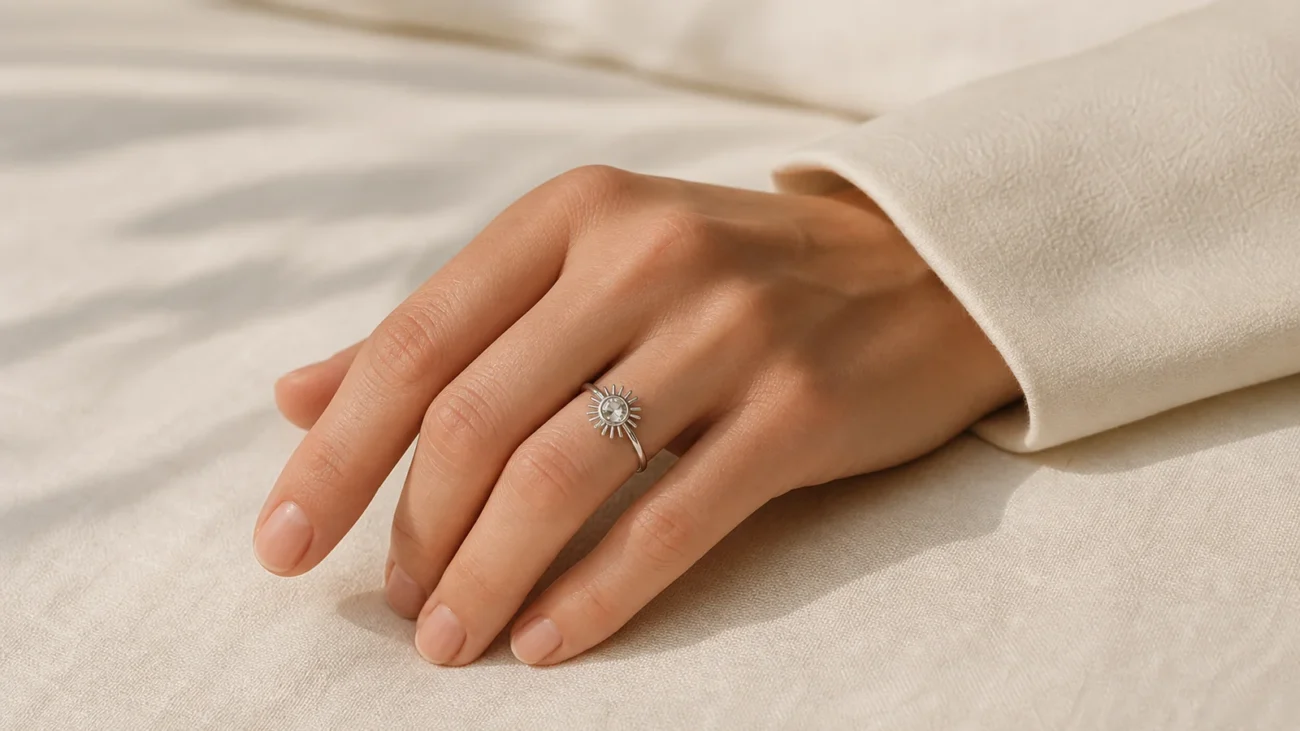
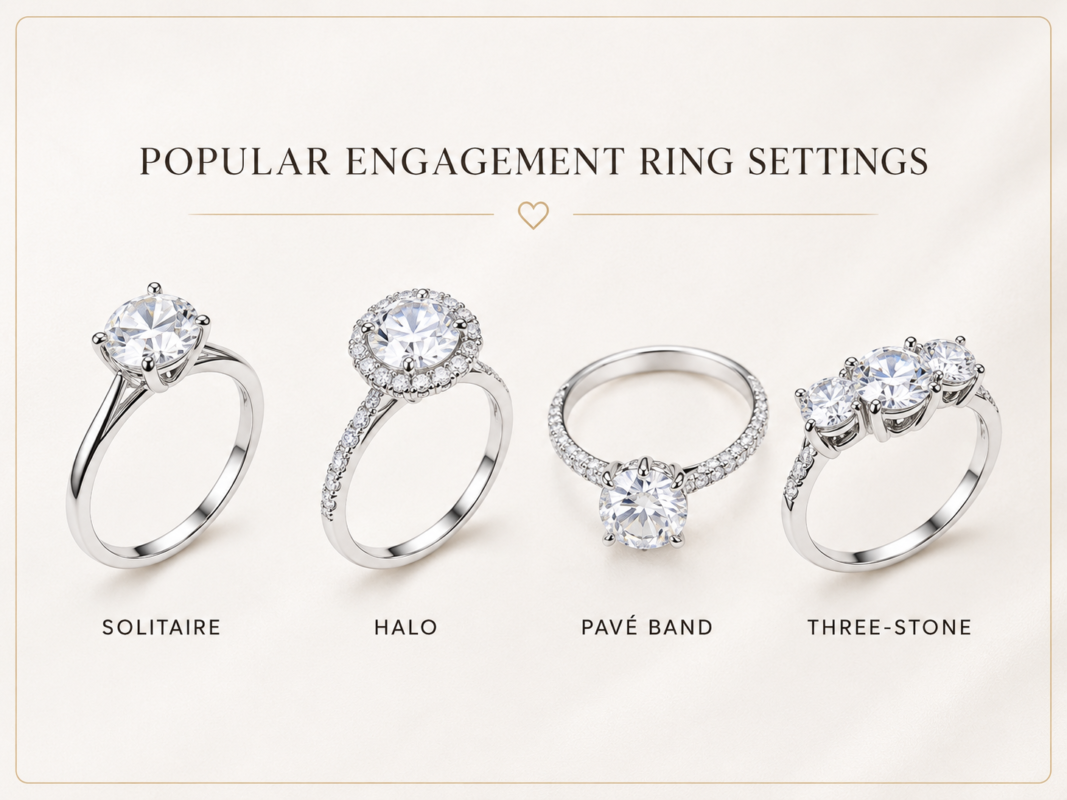
The right ring setting does more than hold a moissanite stone in place. It influences how large the stone appears, how much light reaches it, how protected it feels during daily wear and how easily the ring pairs with a wedding band.
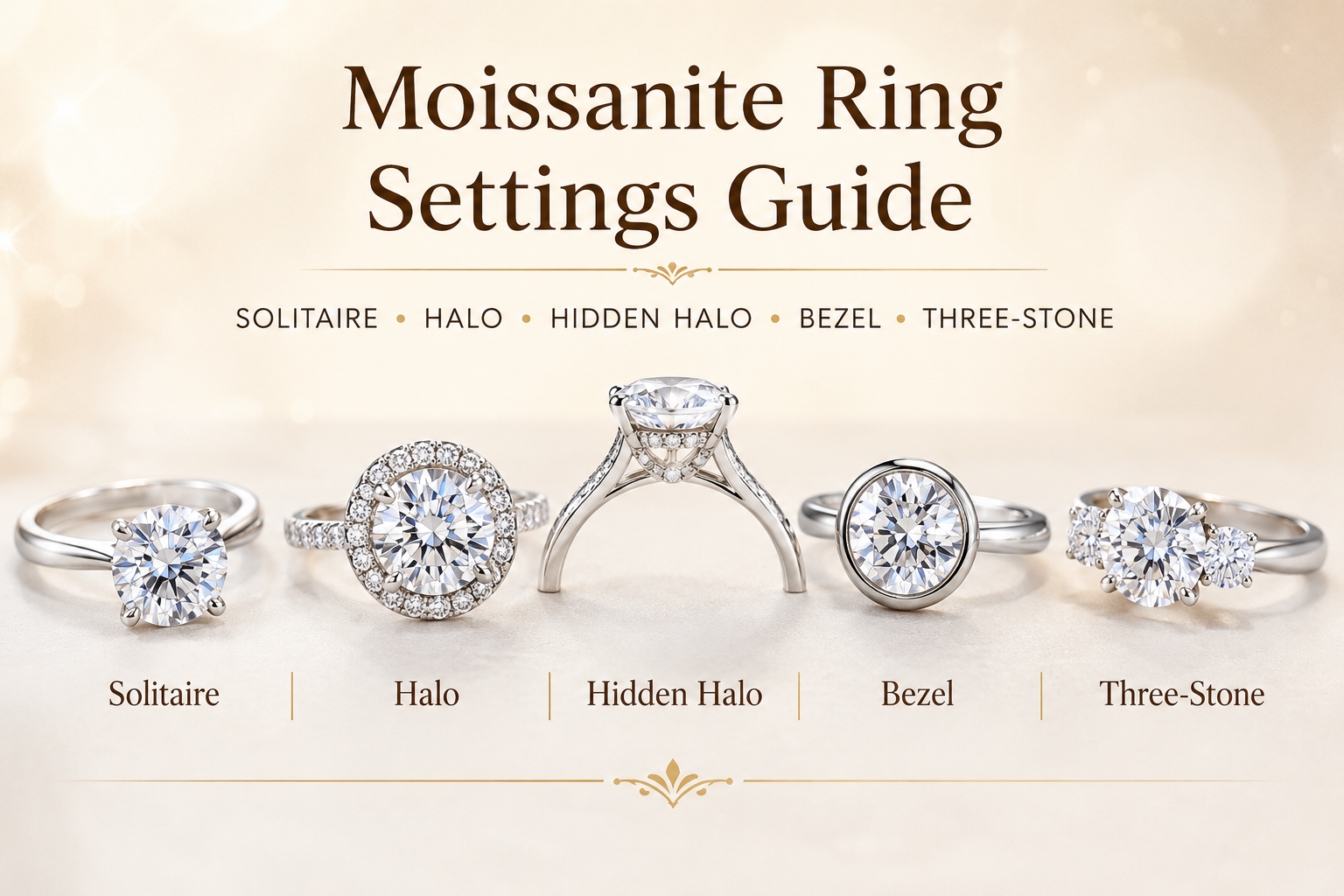
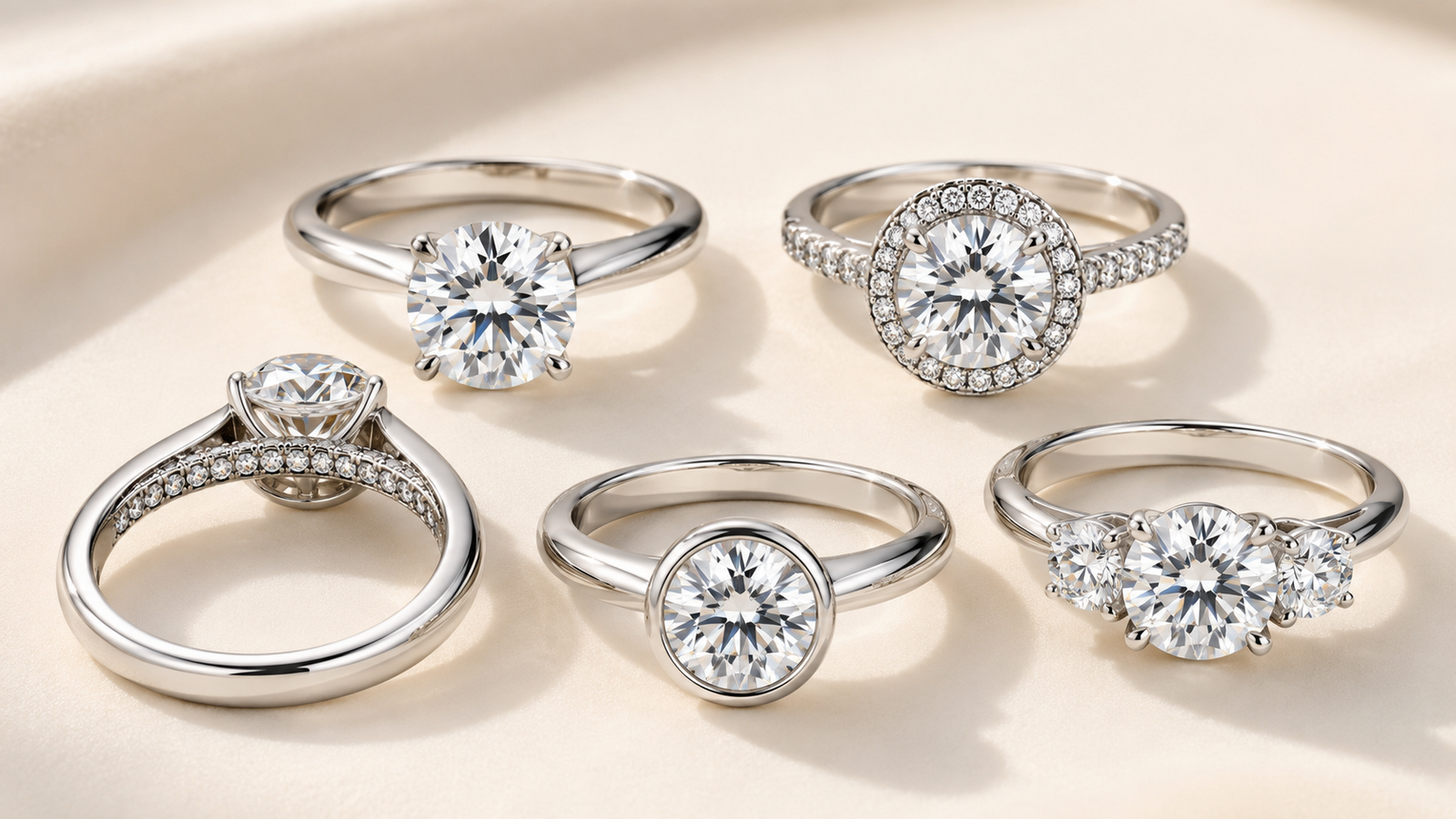
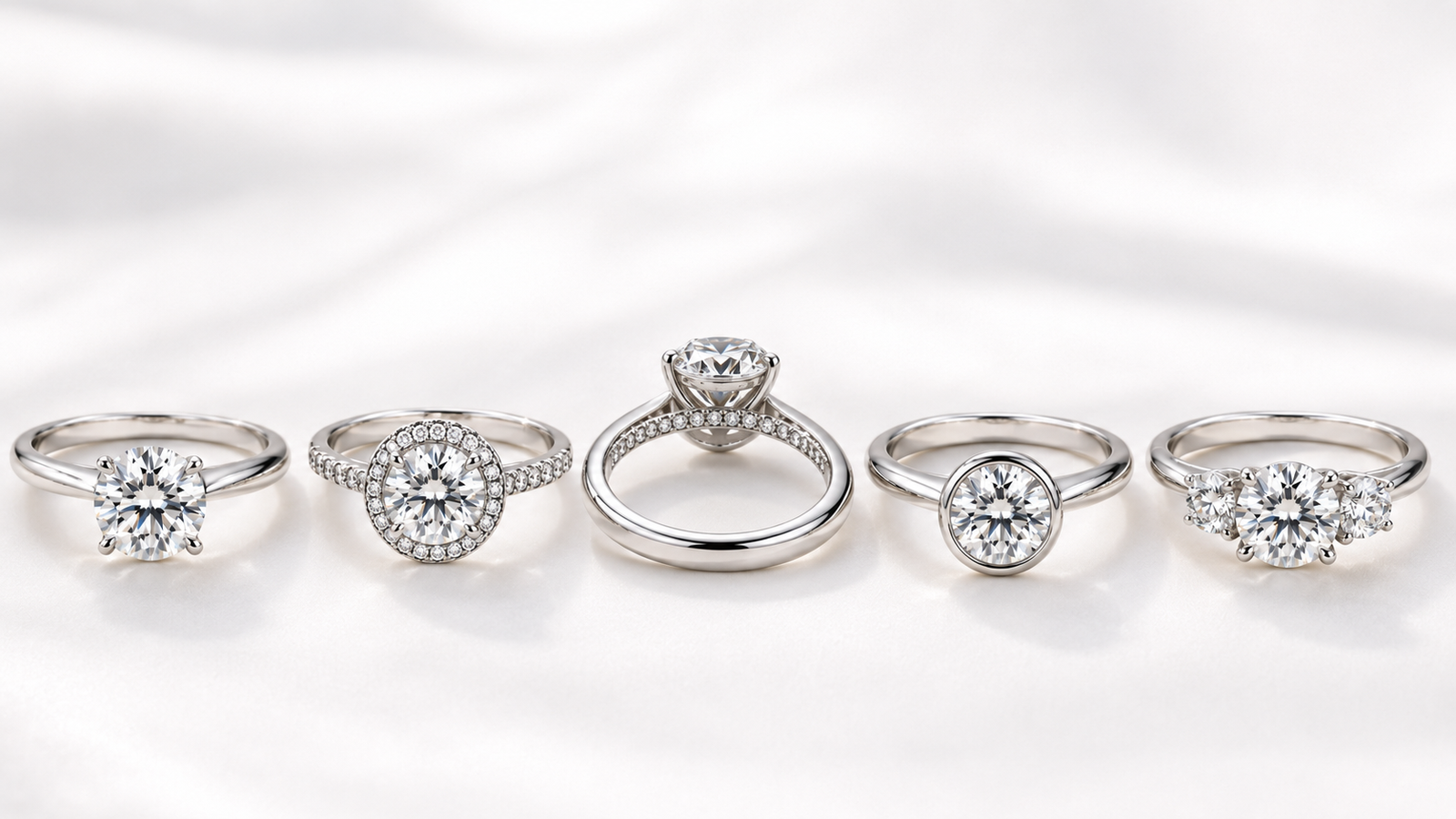
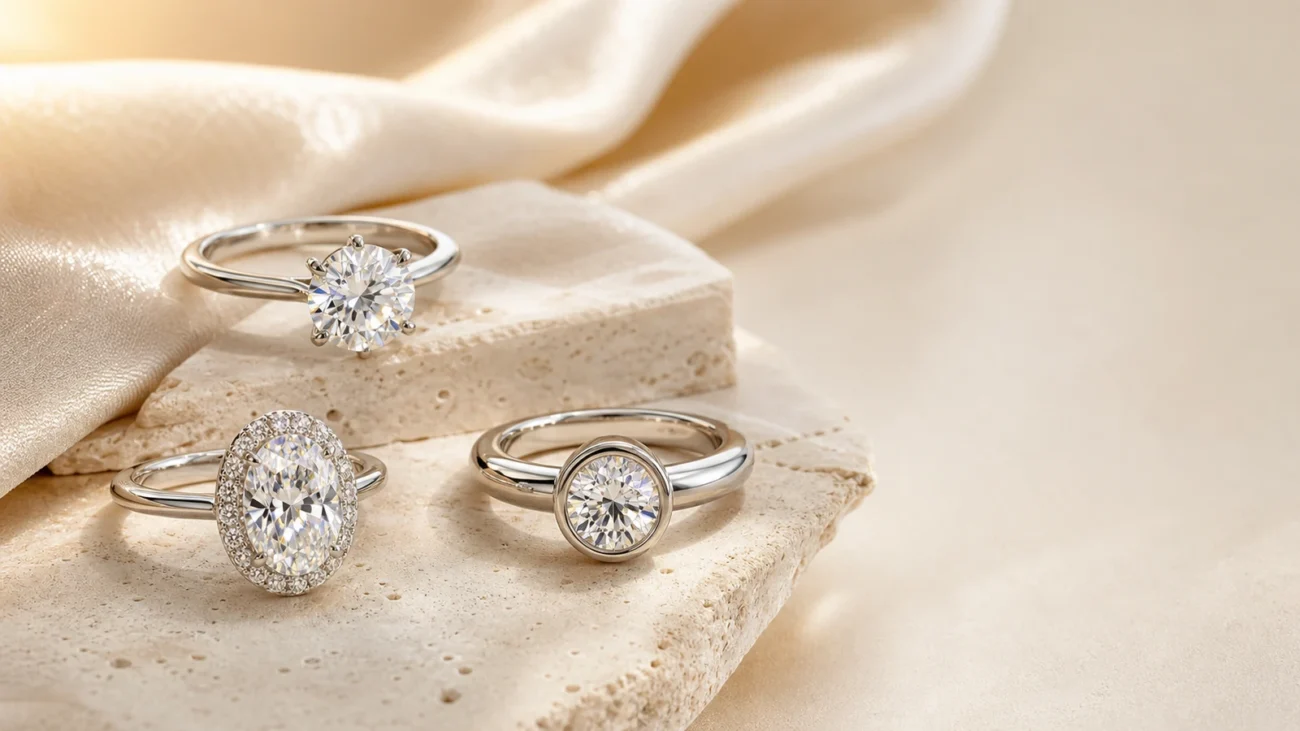
Five popular moissanite ring settings: solitaire, halo, hidden halo, bezel and three-stone.
Quick answer
A solitaire setting is best for timeless simplicity, a halo creates the largest face-up appearance, a hidden halo adds side sparkle without changing the top view, a bezel offers excellent edge protection, and a three-stone setting provides extra brilliance with a meaningful design.
What Is a Moissanite Ring Setting?
A ring setting is the metal structure that secures the center stone and determines how the finished ring looks from the top, side and profile. The setting includes elements such as prongs, bezels, baskets, galleries, halos and side-stone supports.
Two rings can use the same round moissanite stone but look completely different because of their settings. A slim solitaire exposes more of the stone, while a halo surrounds it with smaller stones. A bezel frames the stone with metal, and a three-stone design expands the visual width across the finger.
The best setting should balance appearance with real-life considerations such as work, exercise, cleaning, clothing and how often the ring will be worn. Stone shape and size also matter. Before selecting a setting, compare measurements in our
moissanite size guide
and review the differences between popular shapes in our
moissanite cuts and shapes guide.
Five Moissanite Ring Settings at a Glance
A side-by-side comparison makes differences in stone coverage, profile and overall style easier to see.
Solitaire
Clean, classic and focused entirely on one center stone.
Halo
Surrounds the center with small stones for a larger, brighter appearance.
Hidden Halo
Adds a row of sparkle underneath the center stone.
Bezel
Frames the stone in smooth metal for a secure, modern look.
Three-Stone
Combines one center stone with two side stones for added width and meaning.
1. Solitaire Moissanite Ring Setting
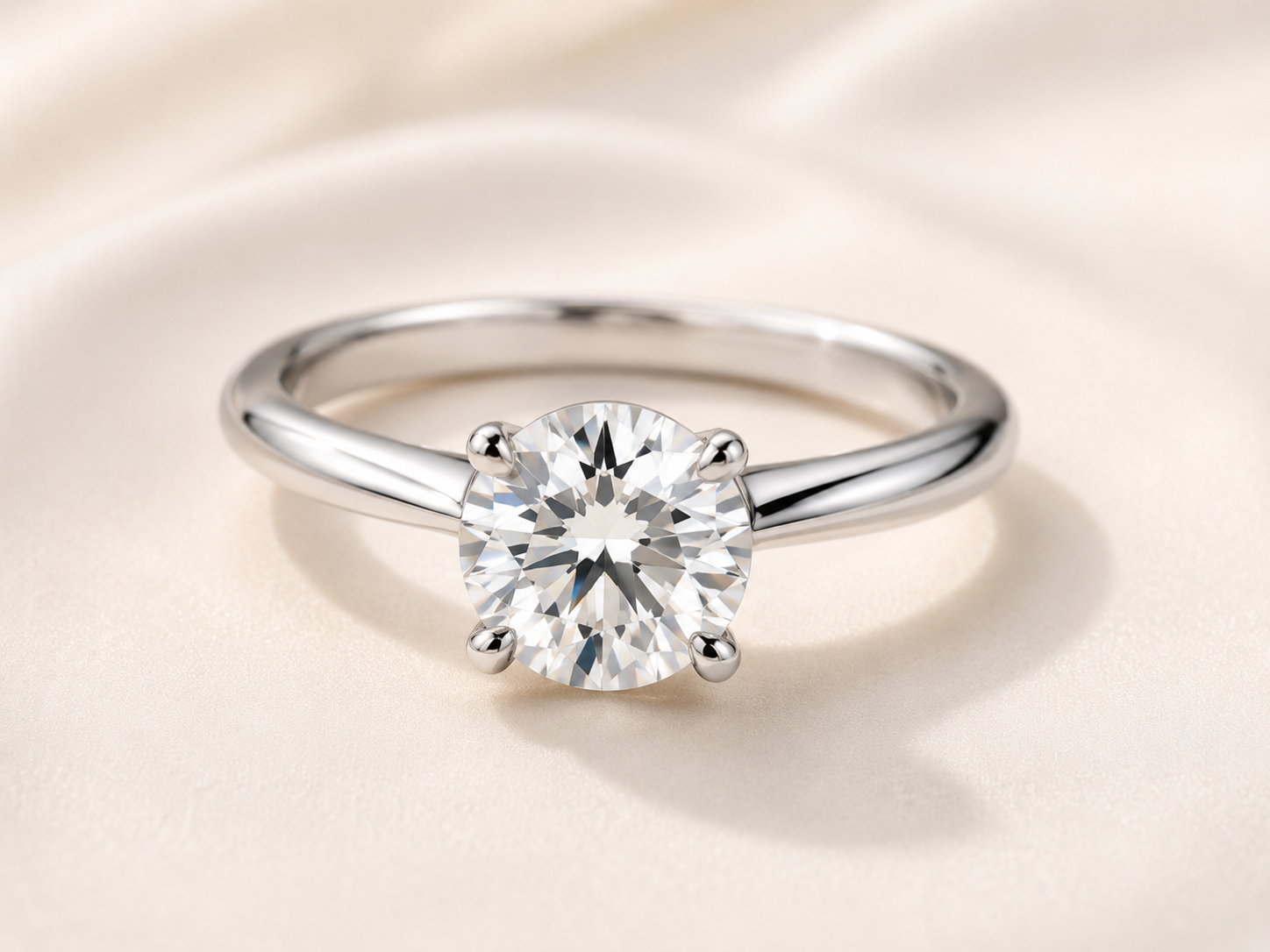
A classic four-prong solitaire keeps the design simple and places full attention on the center moissanite.
A solitaire setting features one main stone without a surrounding halo or additional side stones. It is one of the most recognizable engagement ring styles because the design remains simple, balanced and easy to coordinate with different wedding bands.
Prong-set solitaires allow light to reach multiple sides of the moissanite. This open structure highlights the stone's facets and makes cleaning around the center relatively straightforward. Four-prong settings reveal more of the stone, while six-prong settings provide additional contact points around its edge.
Advantages
Timeless and versatile appearance
Keeps attention on the center stone
Usually easier to clean than detailed settings
Pairs well with plain, pavé or curved wedding bands
Works with round, oval, pear, cushion and other cuts
Considerations
Prongs should be checked periodically
A high-set center may catch on clothing
The center stone is more exposed than in a bezel
The design may feel too minimal for buyers seeking maximum sparkle
Who Should Choose a Solitaire?
Choose a solitaire if you prefer a clean engagement ring that will remain easy to style over time. It is particularly suitable when the center moissanite has an attractive cut and you want its shape to remain clearly visible.
Best for: timeless style, minimal designs, easy cleaning and buyers who want the center stone to be the main focus.
2. Halo Moissanite Ring Setting
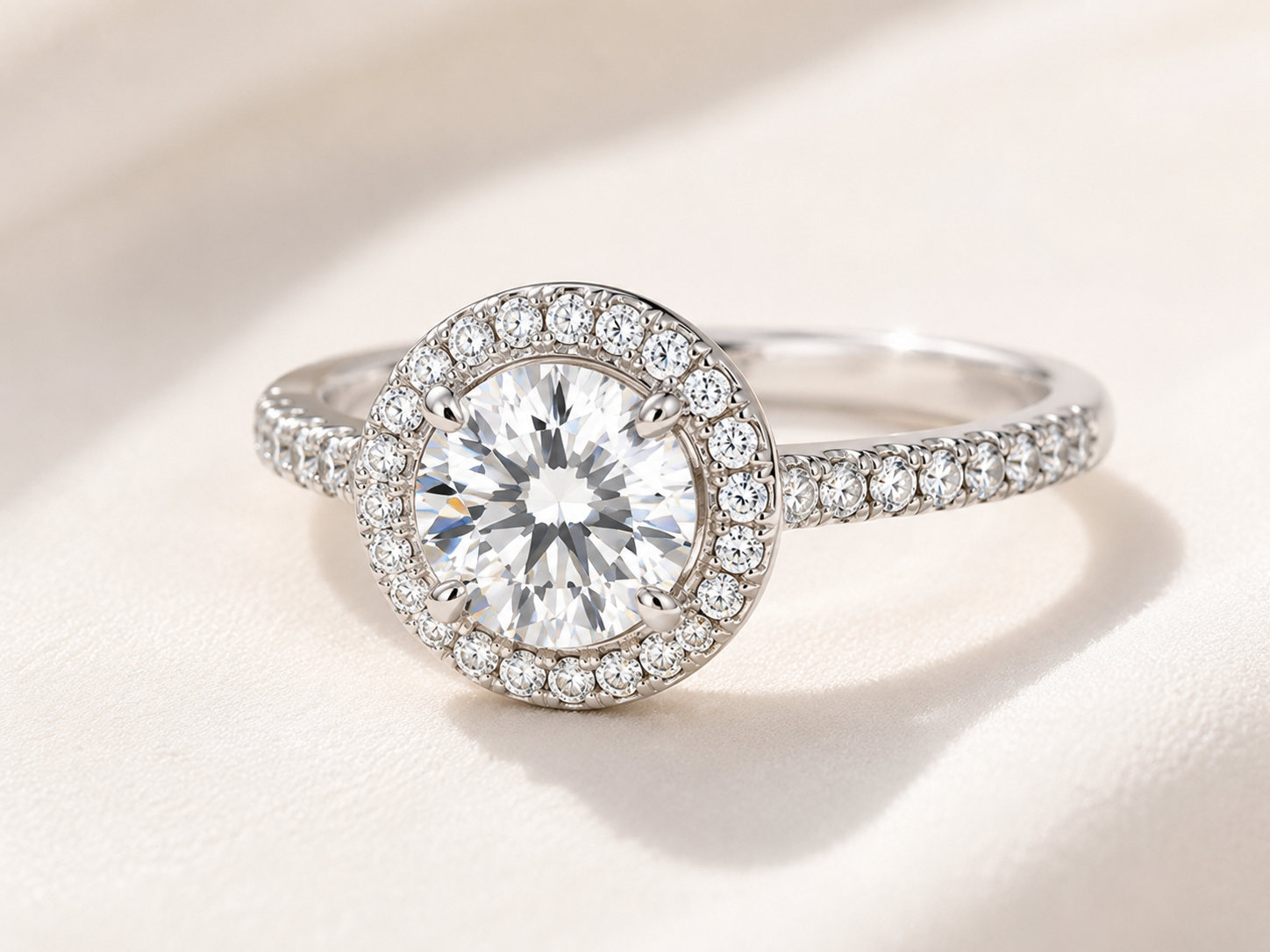
A halo of smaller stones increases the visual diameter and creates sparkle around the center moissanite.
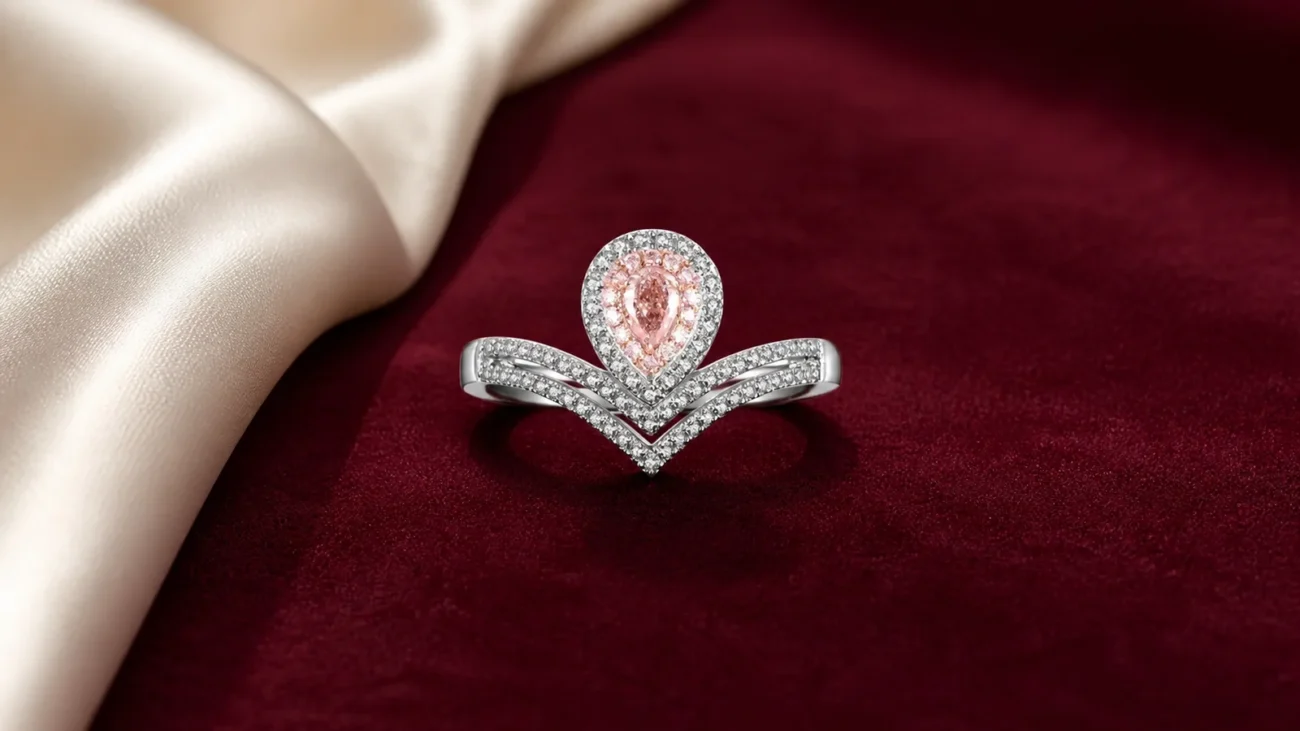
A halo setting surrounds the center moissanite with a border of smaller accent stones. Because the outer stones extend beyond the edge of the center, the complete design appears wider when viewed from above.
Halo rings are popular with buyers who want a bright, glamorous appearance without relying only on a larger center stone. A pavé band can increase the effect by continuing the sparkle along the finger.
The shape of the halo can follow the center stone closely or create a different outline. For example, a round stone may use a round halo, while an oval stone may use an elongated oval halo. Some designs use a cushion-shaped halo around a round center for a softer, vintage-inspired silhouette.
Advantages
Creates a larger face-up appearance
Adds strong sparkle around the center
Offers many design and shape combinations
Can create a romantic or vintage-inspired look
Draws attention to the center of the ring
Considerations
More small stones require more detailed cleaning
The halo can hide part of the center stone's outline
Accent stones and tiny prongs should be inspected
The finished ring may feel wider than a solitaire
Does a Halo Make Moissanite Look Bigger?
A halo generally makes the overall top view look larger because the surrounding stones expand the visible diameter. The actual center stone does not change size, but the combined outline can create a more substantial appearance on the finger.
Best for: maximum face-up presence, high sparkle and buyers who enjoy detailed or glamorous jewelry.
3. Hidden Halo Moissanite Ring Setting
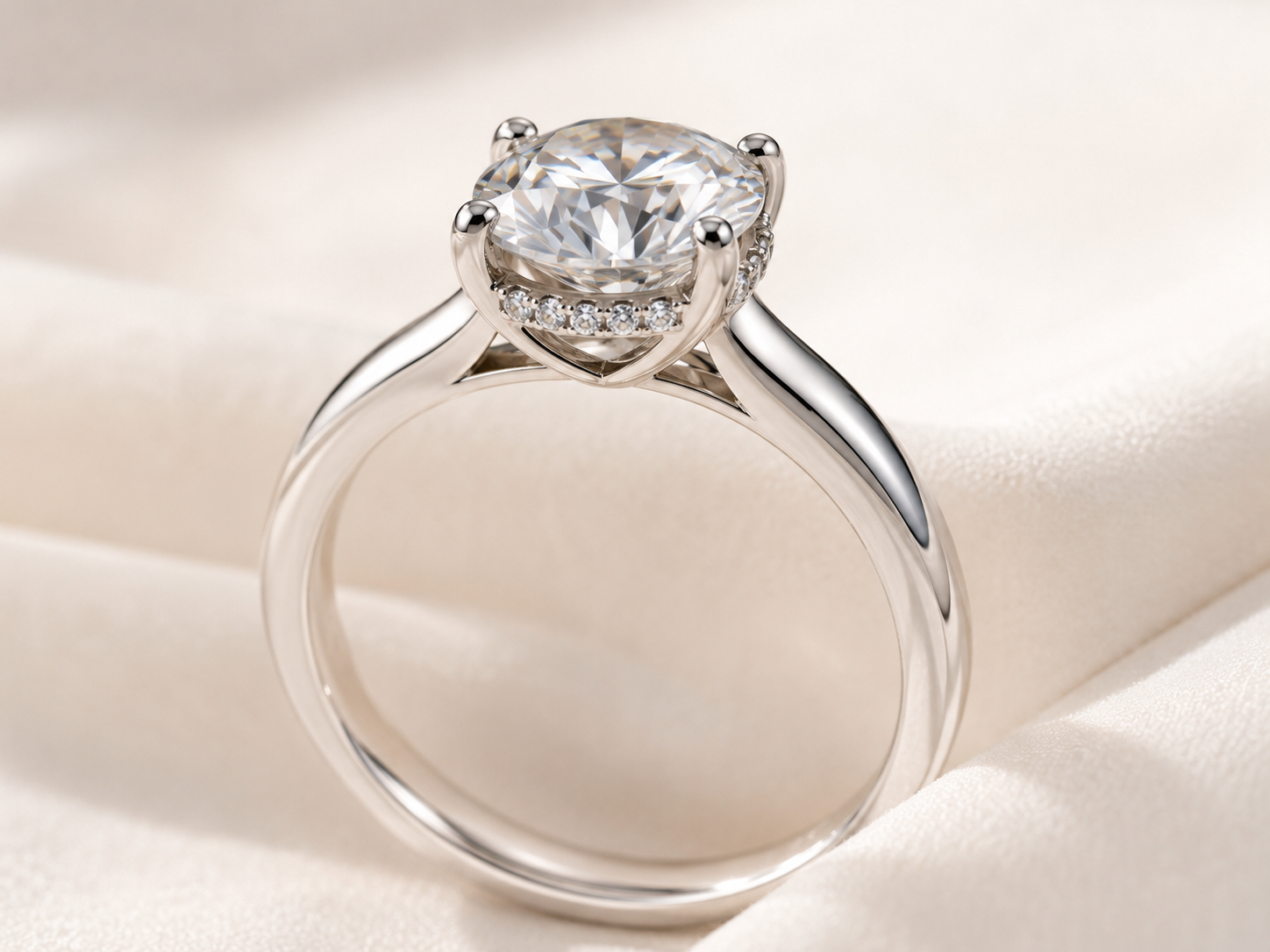
The hidden halo sits beneath the center stone and becomes visible mainly from the side.
A hidden halo places a row of small accent stones underneath the center moissanite rather than around it from the top. From a direct overhead view, the ring may resemble a solitaire. When viewed from the side, the hidden stones add a subtle band of brilliance beneath the main stone.
This style is ideal for someone who wants a clean top view with an unexpected detail. The hidden halo can be placed around the basket, beneath the prongs or along a decorative gallery.
Hidden halo designs often use a raised center setting so that the accent stones remain visible. The exact height matters because a higher setting can allow a straight wedding band to sit closer, but it may also be more likely to catch on clothing than a low-profile design.
Advantages
Adds sparkle without surrounding the top of the center stone
Preserves the visible outline of the moissanite cut
Creates an attractive side profile
Offers a balance between minimal and detailed styling
Can make a solitaire-style ring feel more distinctive
Considerations
The added detail is less visible from directly above
The setting may sit higher on the finger
Small stones beneath the center require careful cleaning
Wedding-band fit depends on the basket and gallery shape
Best for: buyers who like a solitaire appearance from above but want extra craftsmanship and sparkle from the side.
4. Bezel-Set Moissanite Ring
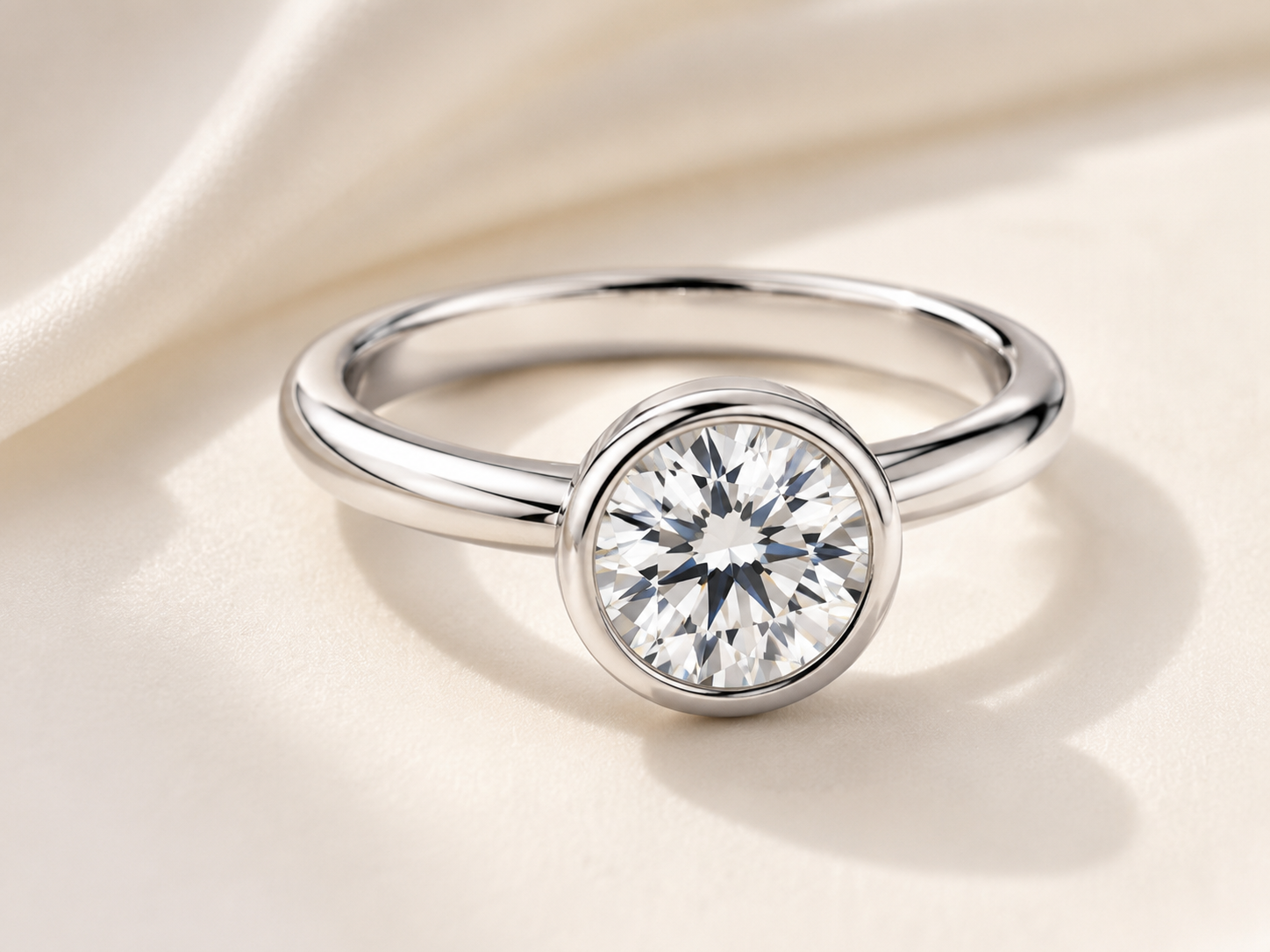
A smooth metal bezel frames the moissanite and protects more of the stone's outer edge.
A bezel setting surrounds all or part of the moissanite's outer edge with a smooth metal rim. Unlike prongs, which hold the stone at several individual points, a full bezel creates a continuous frame around the stone.
The smooth edge makes a bezel setting attractive for active lifestyles, work environments involving gloves and buyers who dislike raised prongs catching on fabric. It also creates a clean, contemporary appearance.
Because the metal outlines the stone, a bezel can make its shape appear especially defined. However, the visible metal border may make the exposed face of the stone look slightly smaller than it would in a minimal prong setting.
Advantages
Provides strong protection around the stone's edge
Has no raised prong tips to catch easily on clothing
Creates a smooth, modern and minimal appearance
Suitable for frequent daily wear
Can be designed with a low and comfortable profile
Considerations
More metal is visible around the center stone
The stone may appear slightly smaller face-up
Changing the center stone can be more involved
The style may feel less traditional than a prong solitaire
A bezel does not stop moissanite from sparkling. Most brilliance is observed through the crown, which remains exposed. The result is a more framed and architectural look rather than the open appearance of a prong setting.
Best for: active lifestyles, smooth low-maintenance designs, modern jewelry and buyers prioritizing edge protection.
5. Three-Stone Moissanite Ring Setting
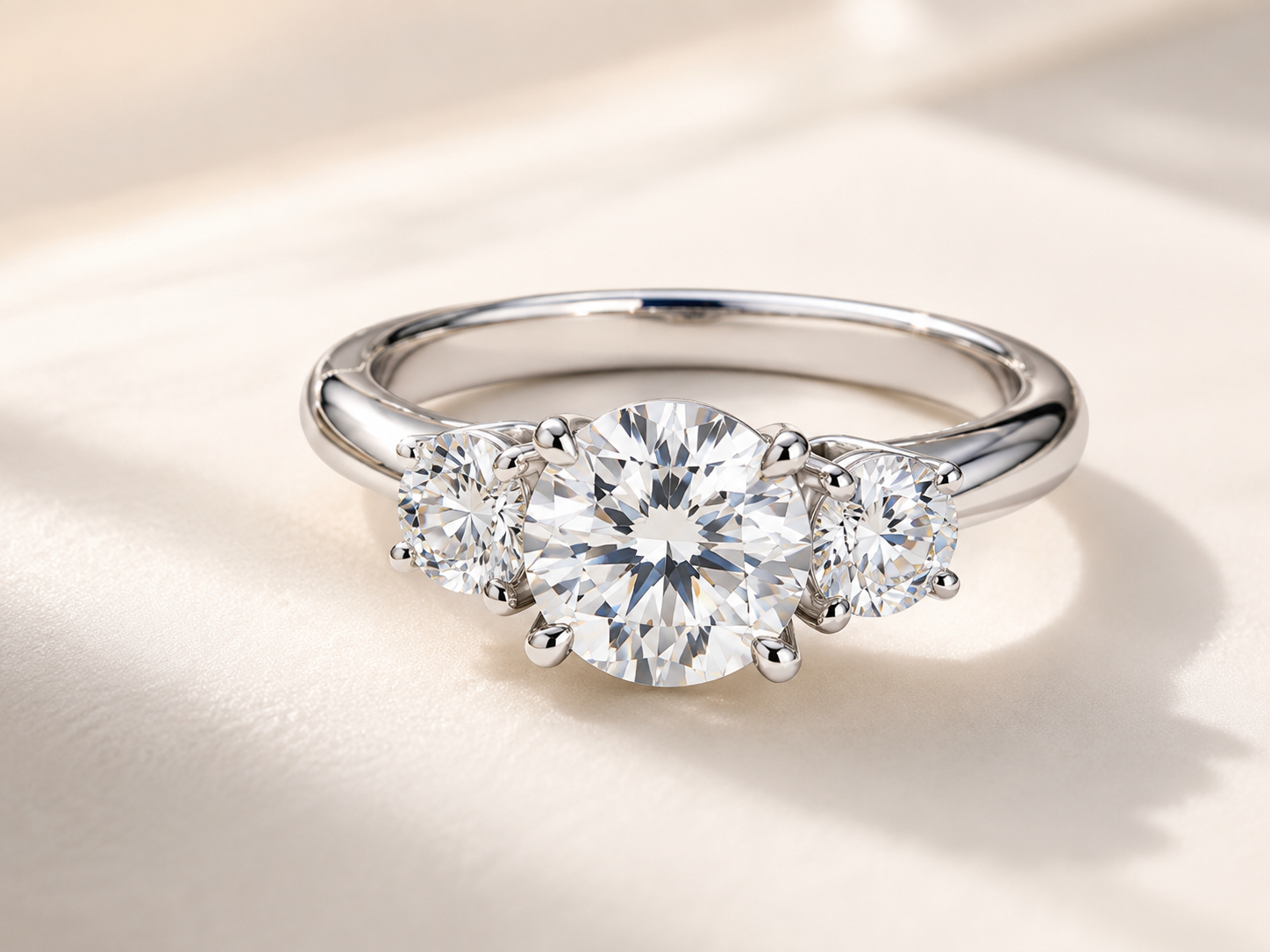
A larger center moissanite is balanced by two smaller side stones for additional width and brilliance.
A three-stone setting features one center moissanite with one side stone on each side. The side stones may match the center shape or use contrasting cuts, such as a round center with pear, tapered baguette or oval side stones.
Three-stone rings are commonly associated with the past, present and future of a relationship, although the design can also be chosen simply for its balanced appearance. The additional stones create more visual coverage across the finger than a solitaire.
Proportion is important. Larger side stones create a bold, continuous spread, while smaller side stones keep the main moissanite visually dominant. The band should also be wide enough to support the complete setting without making the ring feel unnecessarily heavy.
Advantages
Creates extra sparkle and finger coverage
Offers a balanced and symmetrical design
Allows different stone-shape combinations
Can carry symbolic meaning
Provides a substantial appearance without using a halo
Considerations
More stones and prongs require additional cleaning
The setting is wider than a solitaire
Side-stone proportions must be carefully selected
A straight wedding band may not sit flush with every design
Best for: meaningful engagement rings, additional finger coverage, balanced designs and buyers who want more sparkle without a full halo.
How to Choose the Best Moissanite Ring Setting
There is no single setting that is best for everyone. The right choice depends on how the ring will be worn, the preferred visual style and the amount of maintenance the wearer is comfortable with.
Choose by Lifestyle
For frequent hands-on work, consider a bezel or lower-profile solitaire. For occasional wear or buyers comfortable with careful handling, higher halo and hidden-halo designs offer more decorative detail.
Choose by Appearance
Select a solitaire for minimal elegance, a halo for maximum visual size, a hidden halo for side detail, a bezel for modern simplicity or a three-stone ring for greater width.
Choose by Maintenance
Simple settings are generally faster to clean. Halo, hidden-halo and three-stone designs have more small spaces where lotion, soap and everyday residue can collect.
1. Consider the Center Stone Shape
Round moissanite works with almost every setting. Oval, pear and marquise stones have elongated outlines that may benefit from protective prongs or a bezel around pointed ends. Cushion and radiant cuts can look especially substantial in halo designs.
2. Think About Ring Height
A high-profile ring allows more of the center stone and gallery to remain visible, but it can catch more easily on clothing. A low-profile design usually feels more discreet and practical, although certain wedding bands may need a curved or contoured shape to fit closely.
3. Check Wedding-Band Compatibility
A straight wedding band may sit flush beneath a raised solitaire or hidden-halo setting. Low baskets, wide halos, bezels and three-stone arrangements may leave a small gap. This is not necessarily a problem, but it should be considered before selecting a matching band.
4. Match the Setting to the Wearer's Routine
Someone who regularly wears gloves, handles equipment or works with fabrics may prefer a smooth bezel or lower setting. Someone seeking the most dramatic sparkle may be happier with a halo or three-stone ring.
Important: Even a durable stone needs a well-maintained setting. Have loose prongs, movement, unusual gaps or missing accent stones inspected before continuing to wear the ring.
Moissanite Ring Setting Comparison Table
Setting
Overall Look
Face-Up Size
Stone Protection
Cleaning
Best Suited For
Solitaire
Classic and minimal
Shows the true center-stone size
Moderate, depending on prongs and height
Relatively easy
Timeless style and clear center-stone focus
Halo
Bright and detailed
Usually appears largest overall
Moderate
More detailed
Maximum sparkle and visual presence
Hidden Halo
Clean top view with side sparkle
Similar to a solitaire from above
Moderate
More detailed beneath the stone
Subtle luxury and an attractive side profile
Bezel
Modern and smooth
Can appear slightly smaller due to the metal rim
High edge protection
Easy to moderate
Active lifestyles and low-profile designs
Three-Stone
Balanced and substantial
Creates wider finger coverage
Moderate
More detailed
Meaningful designs and additional sparkle
Which Setting Makes Moissanite Sparkle the Most?
Moissanite's sparkle depends primarily on the quality and cut of the stone, but the setting changes how that sparkle is presented. A halo or three-stone design creates the greatest total amount of visible brilliance because it contains multiple stones.
A solitaire presents a cleaner, more concentrated flash from one center stone. A hidden halo introduces sparkle from the side, while a bezel creates a smooth metal frame that emphasizes the stone's outline.
A low-profile bezel setting is often one of the most practical choices for everyday wear because its smooth metal rim protects more of the stone's edge and avoids raised prong tips. A well-made low solitaire can also be an excellent daily option.
Halo, hidden-halo and three-stone rings can still be worn regularly, but they include more accent stones, small prongs and spaces that benefit from consistent cleaning and occasional inspection.
Daily-wear suitability also depends on the wearer's routine. No setting should be treated as completely maintenance-free.
Frequently Asked Questions About Moissanite Ring Settings
What is the most popular moissanite ring setting?
Solitaire settings remain popular because they are simple, timeless and compatible with many stone shapes. Halo and hidden-halo settings are also widely chosen by buyers who want additional sparkle.
Which setting makes a moissanite ring look the biggest?
A halo usually creates the largest overall face-up appearance because a border of smaller stones visually expands the center design.
Is a bezel setting good for moissanite?
Yes. A bezel setting can provide excellent edge protection while creating a smooth, modern appearance. A properly designed bezel still leaves the top of the moissanite visible.
Does a hidden halo make the center stone look bigger?
A hidden halo usually does not increase the top-view diameter in the same way as a traditional halo. Its main purpose is to add sparkle and detail beneath the center stone.
Is a four-prong or six-prong solitaire better?
Four prongs expose more of the center stone, while six prongs add two more contact points around the edge. The best choice depends on the stone size, shape, design and desired appearance.
Can a wedding band sit flush with a halo ring?
It depends on the height and shape of the halo basket. Raised settings may allow a straight band to sit closely, while low or wide halos may require a curved or contoured wedding band.
Can all moissanite shapes use these settings?
Most shapes can be adapted to solitaire, halo, hidden-halo, bezel and three-stone designs. The prong placement, bezel outline and side-stone proportions should be customized for the stone's shape.
Final Thoughts: Which Moissanite Setting Should You Choose?
Choose a solitaire for timeless simplicity, a halo for maximum visual impact, a hidden halo for subtle side sparkle, a bezel for smooth protection or a three-stone setting for additional brilliance and symbolic meaning.
Focus on how the ring will be worn rather than choosing only from a front-facing photograph. Compare the top view, side profile, setting height, wedding-band fit and ease of maintenance before making a final decision.
A thoughtfully selected setting allows the beauty of moissanite to work with the wearer's lifestyle rather than against it.
Find a Moissanite Ring Setting That Fits Your Style
Explore Sunshine Jewelry designs or contact us about creating a custom moissanite ring with your preferred stone shape, size and setting.
Choose a women's sunshine diamond ring gift by checking her style, exact ring size, verified listing details, daily routine, and current store policies.
Compare moissanite vs lab-grown diamond by price, sparkle, durability, size and value. Learn the differences and choose the right stone for your jewelry.
A complete guide to choosing a moissanite engagement ring, covering stone shapes, sizes, settings, ring sizing, materials, certificates, budget and care.