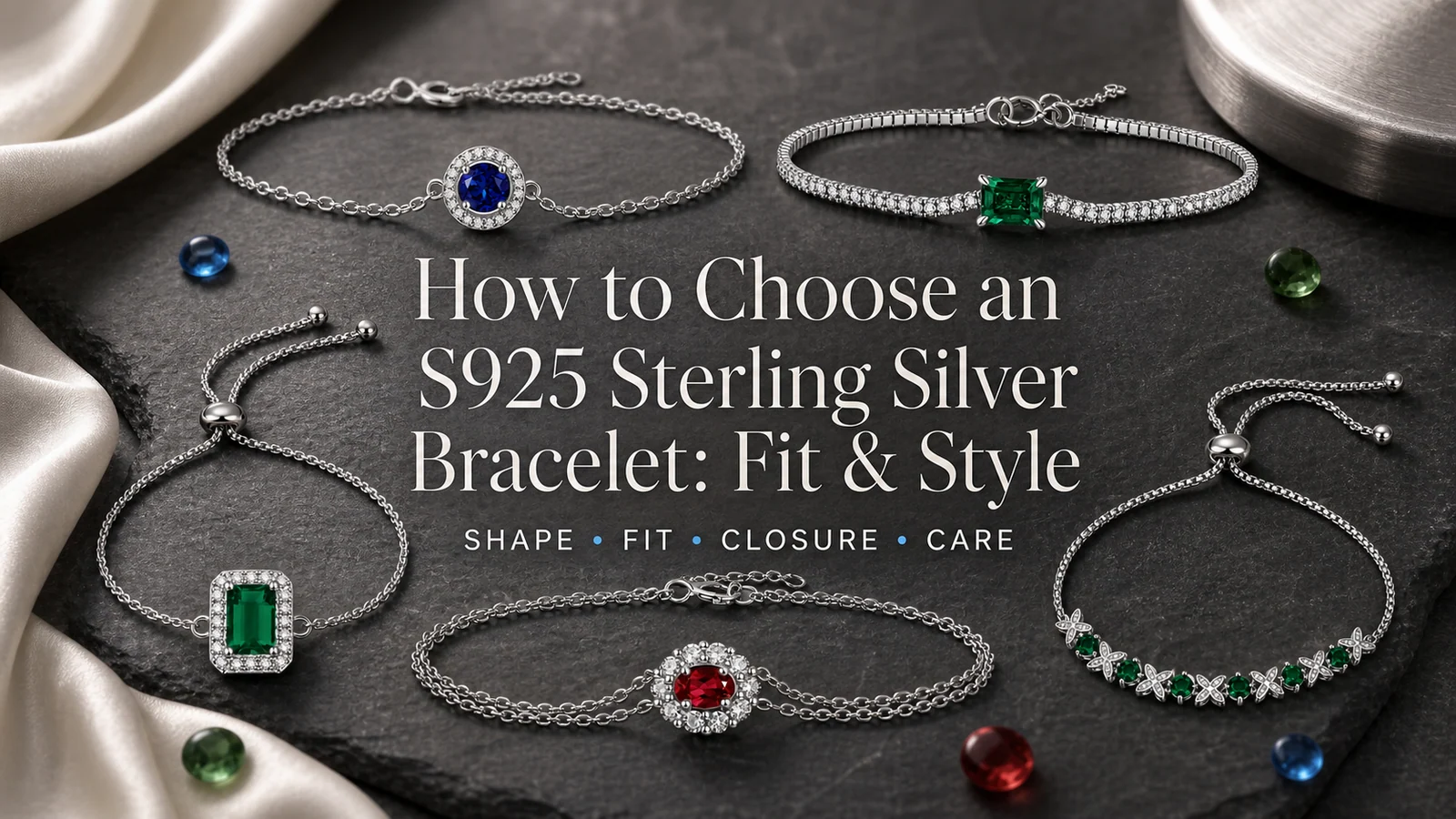
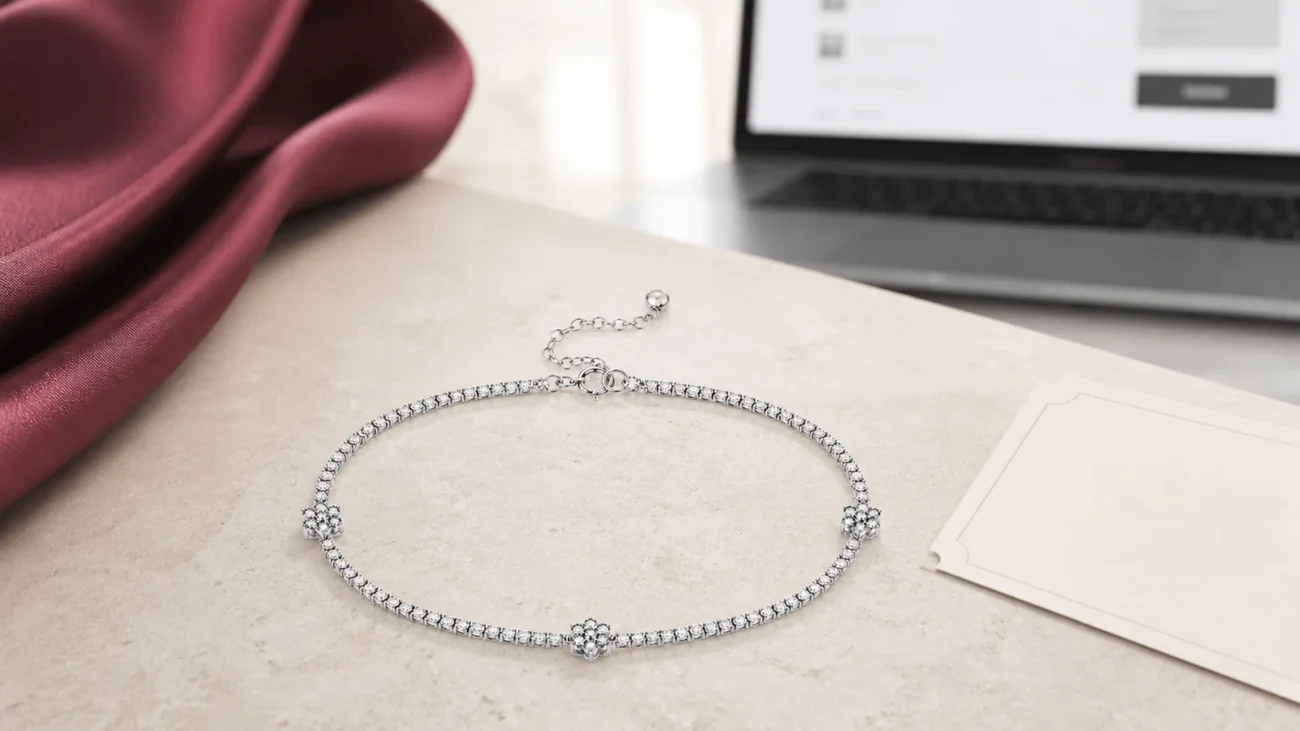
Choose an S925 sterling silver bracelet by checking four things separately: the S925 metal mark, the centerpiece design, the chain and closure structure, and the wrist fit. The mark describes sterling silver, not the gemstone or its quality. A good choice should suit the wearer’s visual style, daily activities, preferred fit and realistic care routine.
Compare S925 bracelets as complete designs: metal mark, centerpiece, chain structure, closure, fit and care all matter.
That separation prevents a common buying mistake. “S925” can help identify the silver standard, but it does not tell you whether a bracelet has a round, square or oval centerpiece, whether the colored center is a particular gemstone, or whether the closure will suit a specific wrist. Those details must come from the individual product listing.
What Does S925 Mean on a Bracelet?
S925 is a common mark used for sterling silver. It indicates a silver alloy associated with 92.5% silver content, while the remaining portion is made from other metals that help provide practical strength. The mark concerns the metal; it is not a gemstone grade, a guarantee of every component, or a description of the bracelet’s center stone.
If you want a fuller explanation of the mark and how it differs from gemstone information, read what S925 means on jewelry. When shopping, also review the exact listing for construction, centerpiece description and care notes instead of relying on a stamp alone.
Which Bracelet Features Should You Compare First?
Start with the features that affect everyday use, then compare appearance. A bracelet may look delicate in a close product image but feel more visually prominent on the wrist because of its centerpiece, halo, colored center or repeating details. The closure also changes how easily the bracelet can be put on and how much its fit can be adjusted.
Feature
What it changes
Question to ask
Center shape
Visual direction and apparent width
Do I prefer rounded, geometric, elongated or symbolic styling?
Center color
Contrast with clothing and other jewelry
Will this color be an everyday anchor or an occasional accent?
Chain structure
Flexibility, movement and overall visual weight
Do I want a fine chain, a stone-set line or a box-style chain?
Closure
Adjustment range and ease of fastening
Can the wearer operate it comfortably with one hand?
Center profile
Contact with sleeves, desks and nearby objects
Does the setting suit the wearer’s normal activities?
How Does Centerpiece Shape Change the Style?
Shape is one of the clearest style signals because it affects the bracelet even before color and sparkle are considered. Round designs usually read as balanced, square designs create stronger geometry, oval centers add length, and motifs such as clovers shift the emphasis from a single center to a repeating decorative pattern.
Round centers: balanced and easy to read
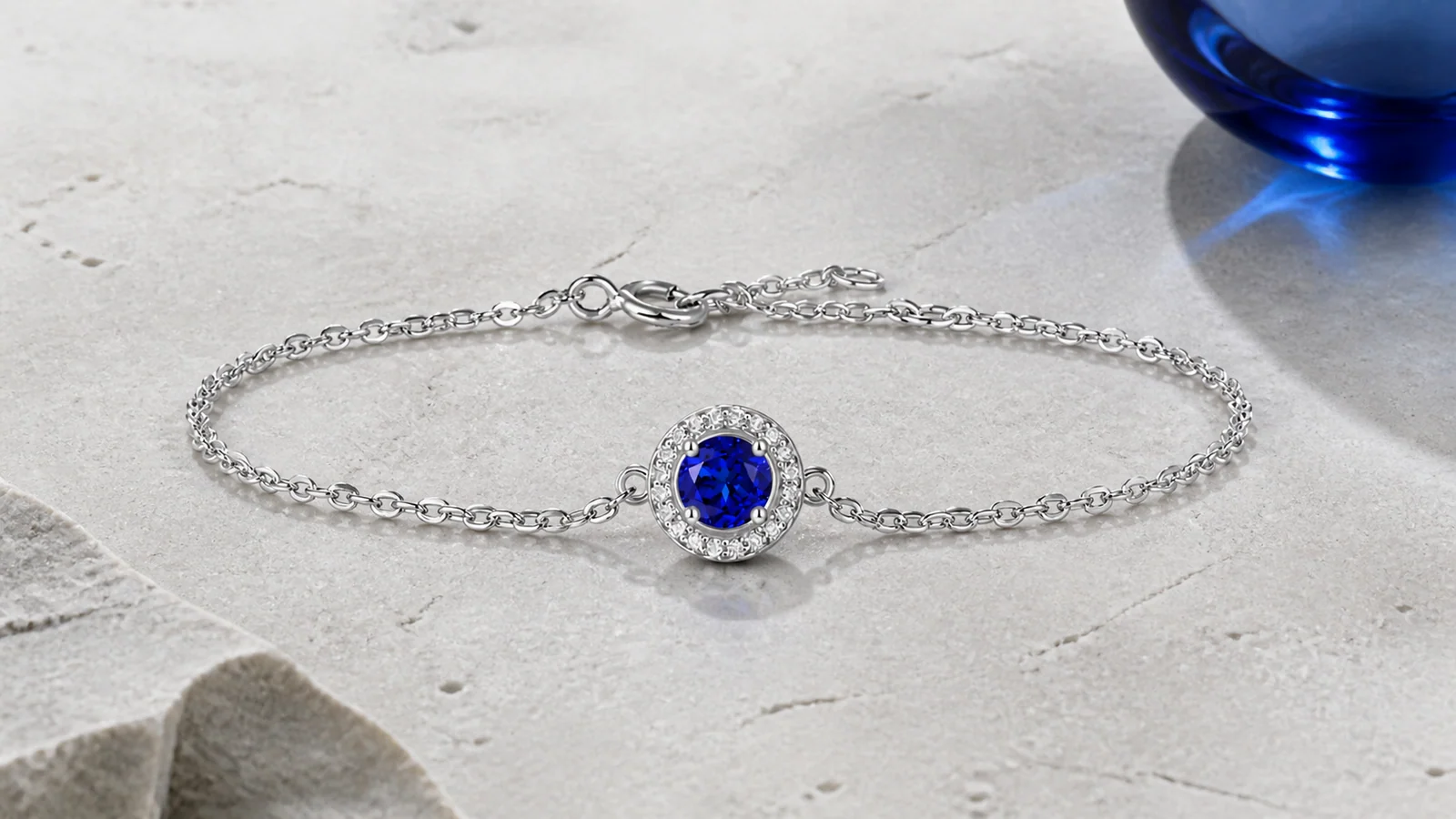
A round centerpiece creates symmetry around the wrist. The Azure Round-Cut S925 Sterling Silver Bracelet provides a real example: its listing identifies a round-cut center in a four-prong setting. The product image also shows a surrounding halo and a blue center, which make the circle appear more defined.
Sunshine Jewelry Azure Round-Cut S925 Sterling Silver Bracelet shown as a balanced round-center option.
A round center is useful when you want the centerpiece to remain visually compact. It can work with curved earrings or a simple pendant without repeating the exact design. Check the listing before naming the center material; color and cut visible in an image do not by themselves establish gemstone identity.
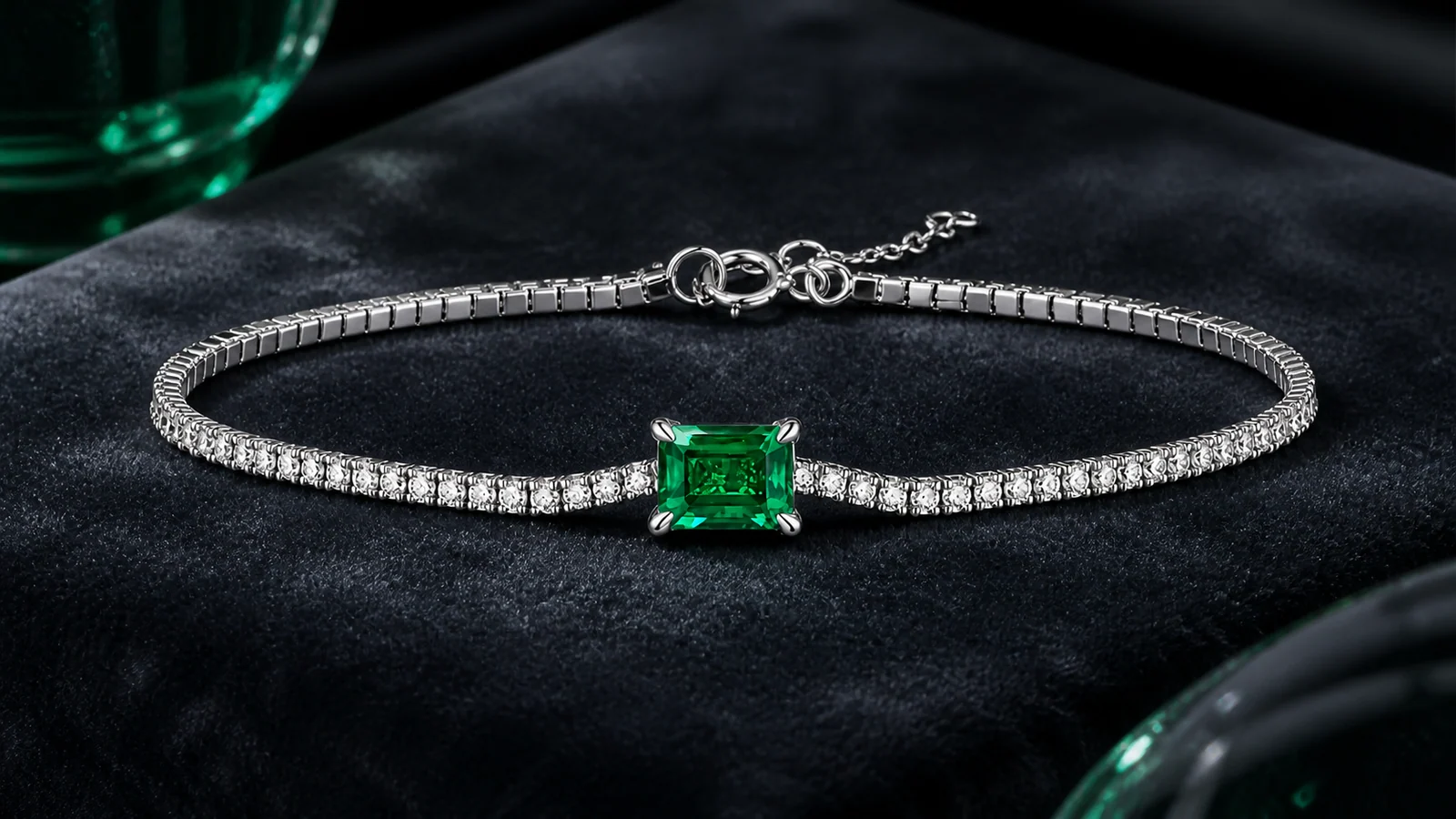
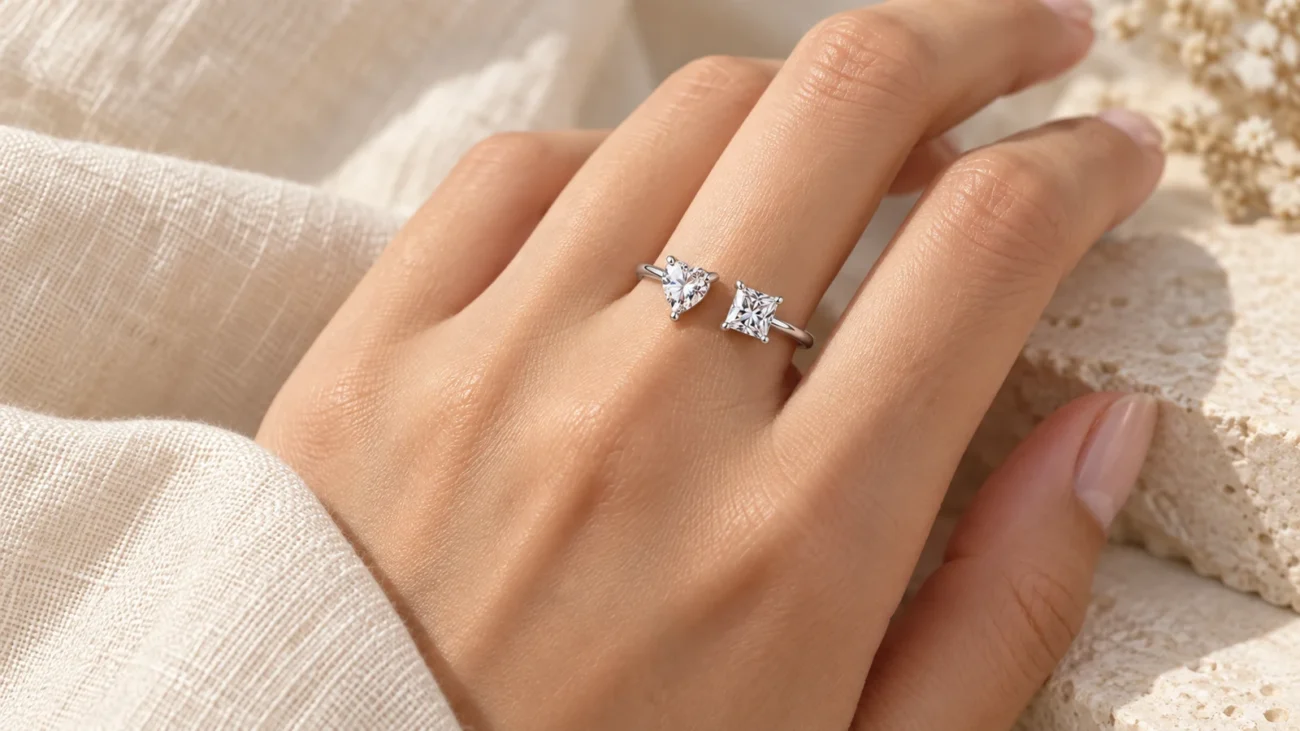
Sunshine Jewelry Vine Grace Square-Cut S925 Sterling Silver Bracelet demonstrates a geometric center with nature-inspired styling.
Compare the whole silhouette. A square center on a fine chain feels different from a square center linked to a continuous stone-set line. Look at the transition between the centerpiece and chain, not only the center itself, because that transition determines whether the design feels delicate, formal or visually continuous.
Oval centers: elongated and softly directional
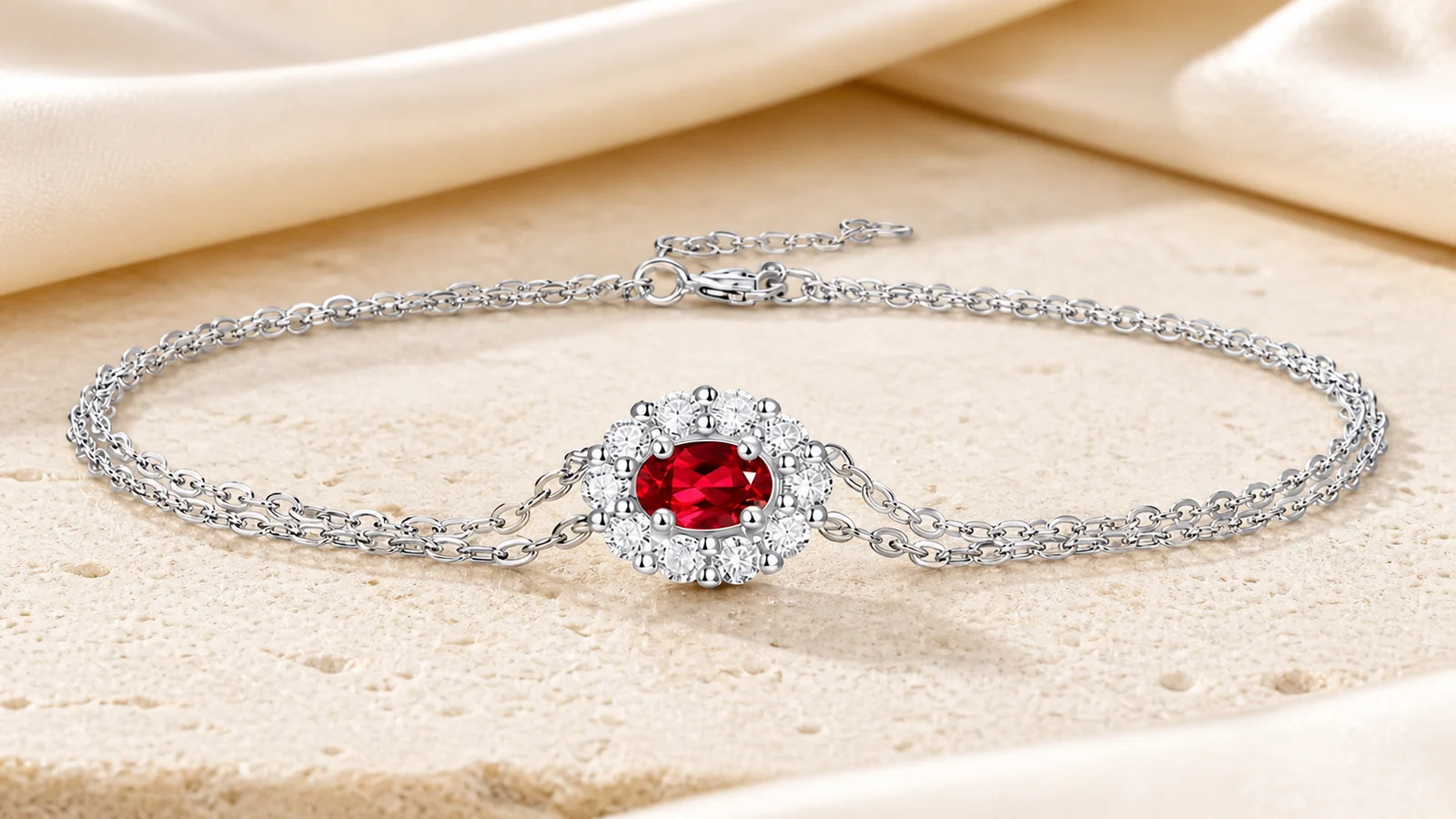
An oval center combines curves with a clear long axis. The True Heart Oval-Cut S925 Sterling Silver Bracelet uses an oval-cut center secured in a four-prong setting. Its product image shows a red center surrounded by clear accents and a double-chain appearance near the focal point.
Sunshine Jewelry True Heart Oval-Cut S925 Sterling Silver Bracelet uses an elongated center as the main visual direction.
The oval’s orientation can make the center look longer without requiring a very wide setting. This may suit a wearer who wants color and presence but prefers a softer outline than a square design. As always, confirm the actual dimensions and materials in the product details rather than estimating them from a scaled image.
Clover motifs: rhythm instead of one dominant center
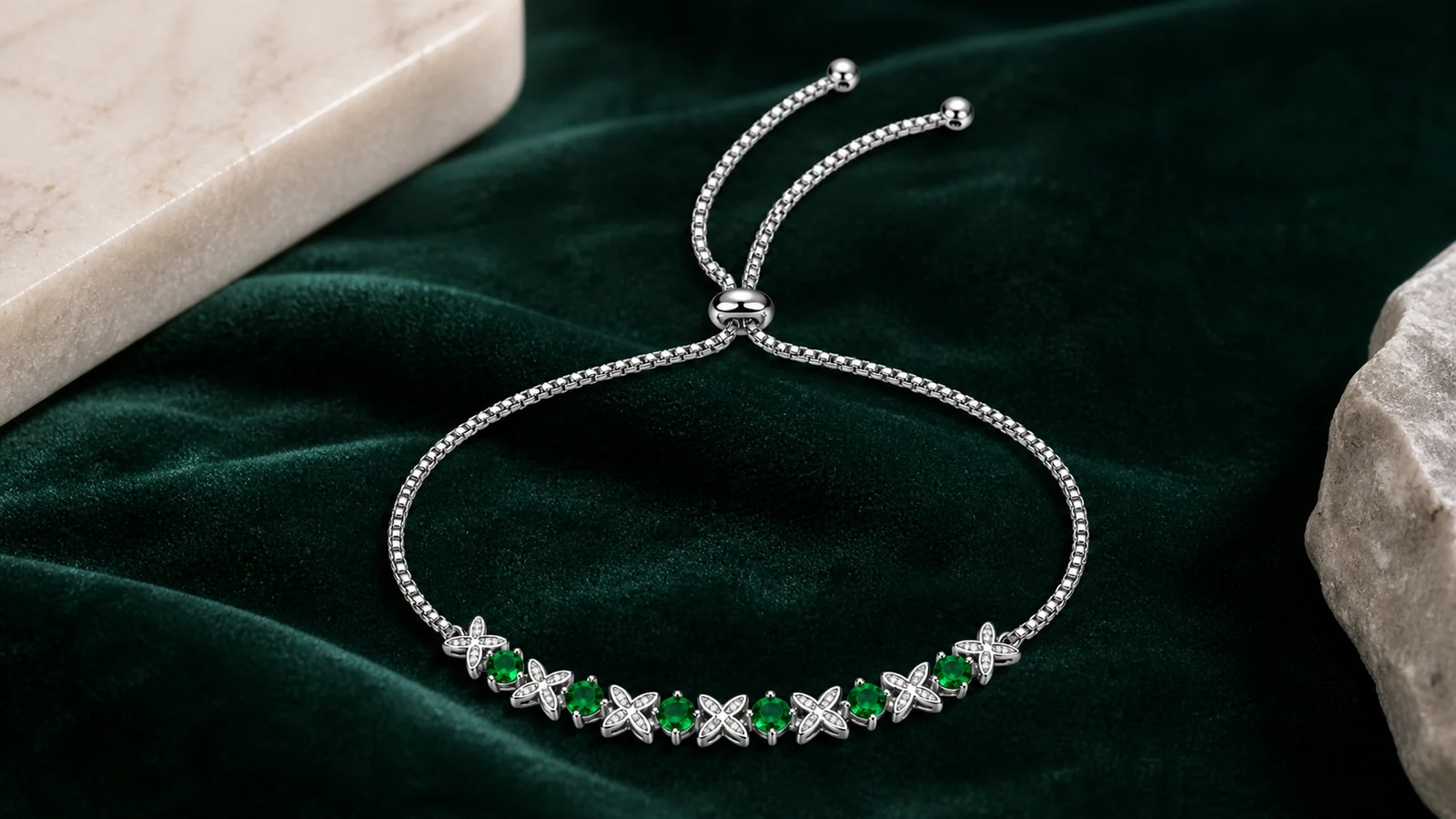
A motif bracelet distributes attention across a larger part of the wrist. The Near & Dear Clover S925 Sterling Silver Bracelet uses alternating green round centers and small four-petal elements. The visual effect is rhythmic rather than centered on one large gemstone.
Sunshine Jewelry Near & Dear Clover S925 Sterling Silver Bracelet combines a repeating motif with a slider-style adjustment.
This type of design may work as the outfit’s primary wrist detail. Because the motif repeats, pair it with quieter rings or a simple watch if the wrist begins to look crowded. The site’s Sunshine bracelet guide offers additional ideas about motif, fit and styling.
Clasp or Adjustable Slider: Which Structure Fits Better?
A traditional clasp bracelet usually fastens at a fixed link or an extender position. It can create a clean continuous chain, but the wearer needs to connect the clasp, often with one hand. An adjustable slider uses movable hardware and two chain tails, making it easier to change the circumference after the bracelet is on.
Neither structure is automatically better. Choose based on dexterity, desired visual style and how much adjustment is useful. A slider may be convenient for gifting when the precise wrist size is uncertain, but it still has a physical adjustment range. A clasp design can feel more familiar and may offer several attachment points if an extender is included.
How Should an S925 Bracelet Fit?
An everyday bracelet should stay secure without pressing into the skin or moving so freely that the centerpiece repeatedly rotates underneath the wrist. Fit preferences vary, and chain structure affects movement, so a single universal measurement cannot describe every wearer.
Measure the wrist where the bracelet will sit. Use a flexible tape or a strip of paper without compressing the skin.
Review the listing’s available length or adjustment range. Do not infer fit from a styled image.
Choose the movement you prefer. A close fit reduces rotation; a looser fit creates more drape.
Consider the centerpiece weight and width. A stronger focal setting may move differently from a tiny motif.
Test normal tasks. Move the wrist, put on a sleeve, type and reach for objects before deciding the fit is practical.
If the bracelet is a gift, ask discreetly for a wrist measurement or compare with a bracelet the recipient already wears. “Adjustable” should not be treated as “fits everyone.”
How Do You Coordinate Bracelet Color With an Outfit?
Use the center color as either an anchor or an accent. Blue can echo denim, navy or cool neutrals; green can provide contrast against cream, black or earthy tones; red can become the strongest color in a simple outfit. These are styling options, not rules, and lighting or screen settings may change how the color appears online.
Keep the rest of the wrist quiet when the bracelet has a vivid colored center or a repeated motif. If you wear a watch, compare the watch case, strap width and bracelet center at normal viewing distance. Matching every color exactly is less important than creating a clear hierarchy.
Which S925 Bracelet Makes the Most Thoughtful Gift?
The best gift is the design that matches the recipient’s habits, not simply the most detailed option. A round center is a straightforward choice for someone who likes balanced classic shapes. A square center suits stronger geometry. An oval center can feel elegant and directional. A clover motif may suit someone who enjoys repeated symbols and visible color across the wrist.
Check whether the recipient normally wears silver-tone jewelry.
Notice whether their jewelry uses round, square, oval or symbolic motifs.
Confirm wrist size or choose a structure with a suitable adjustment range.
Consider whether they prefer one focal center or repeated decoration.
Avoid assuming a center material or meaning that the listing does not state.
Include care guidance so the recipient knows how to store the bracelet.
The category placement of this guide reflects that selection is often part of gifting. However, the same framework works for self-purchase: fit, structure and routine should still come before decorative preference.
How Do You Care for an S925 Sterling Silver Bracelet?
Store the bracelet separately, keep its chain from tangling, wipe it gently after wear when appropriate and inspect the clasp, slider, links and setting before returning it to storage. Avoid using an unknown cleaner on colored centers or decorative elements. Different components may need different treatment even when the bracelet is marked S925.
Confirm the listing identifies the piece as S925 sterling silver.
Read the gemstone or centerpiece description separately from the metal mark.
Compare round, square, oval and motif-based visual directions.
Check the chain type, closure and adjustment range.
Look for dimensions rather than estimating size from close-up photography.
Plan how the center color will work with the wearer’s wardrobe.
Consider sleeves, desk work, exercise and other everyday activities.
Choose a storage and care routine before regular wear begins.
Frequently Asked Questions
Does S925 mean the bracelet is pure silver?
No. S925 refers to sterling silver, an alloy associated with 92.5% silver content. Pure-silver and sterling-silver descriptions are not interchangeable.
Does S925 identify the bracelet’s gemstone?
No. The S925 mark concerns the silver alloy. The center stone or decorative material must be identified separately in the product details.
Is an adjustable slider bracelet better for a gift?
It can be convenient when the precise wrist size is uncertain, but its actual adjustment range still matters. Check that range rather than assuming universal fit.
Which shape is easiest to style every day?
Round centers are often visually balanced, but the easiest choice depends on the wearer’s wardrobe and existing jewelry. Square, oval and motif designs can be equally versatile when their color and scale suit the routine.
Can an S925 bracelet tarnish?
Sterling silver can develop surface tarnish under certain conditions. Storage, exposure and care affect the result, so follow suitable silver-care instructions and inspect the other components before cleaning.
Should a bracelet slide up and down the wrist?
A small amount of movement may be comfortable, but excessive movement can cause the centerpiece to rotate or interfere with tasks. Choose a fit that balances security with comfort.
Can I wear an S925 bracelet with a watch?
Yes, if the combination is comfortable and the pieces do not repeatedly strike or scratch each other. Compare their widths and keep one item visually dominant.
How can I compare the current bracelet options?
Use the shape, color, closure and fit framework above, then review the current Sunshine Jewelry product collection. Product availability and listing details can change, so rely on the current product page when making a final decision.
Choose the Complete Bracelet, Not Just the S925 Mark
An S925 mark answers one metal question, but a good bracelet choice also requires design and fit judgment. Compare the centerpiece shape, color, setting, chain, closure, adjustment range and care needs. Then choose the product that suits the wearer’s routine and style rather than treating every S925 bracelet as equivalent.
Sunshine Jewelry’s current S925 bracelet examples show how different two products can look even when both share the same metal description. Use those differences deliberately: choose round for balanced symmetry, square for geometry, oval for length, or a clover motif for a repeated decorative rhythm.
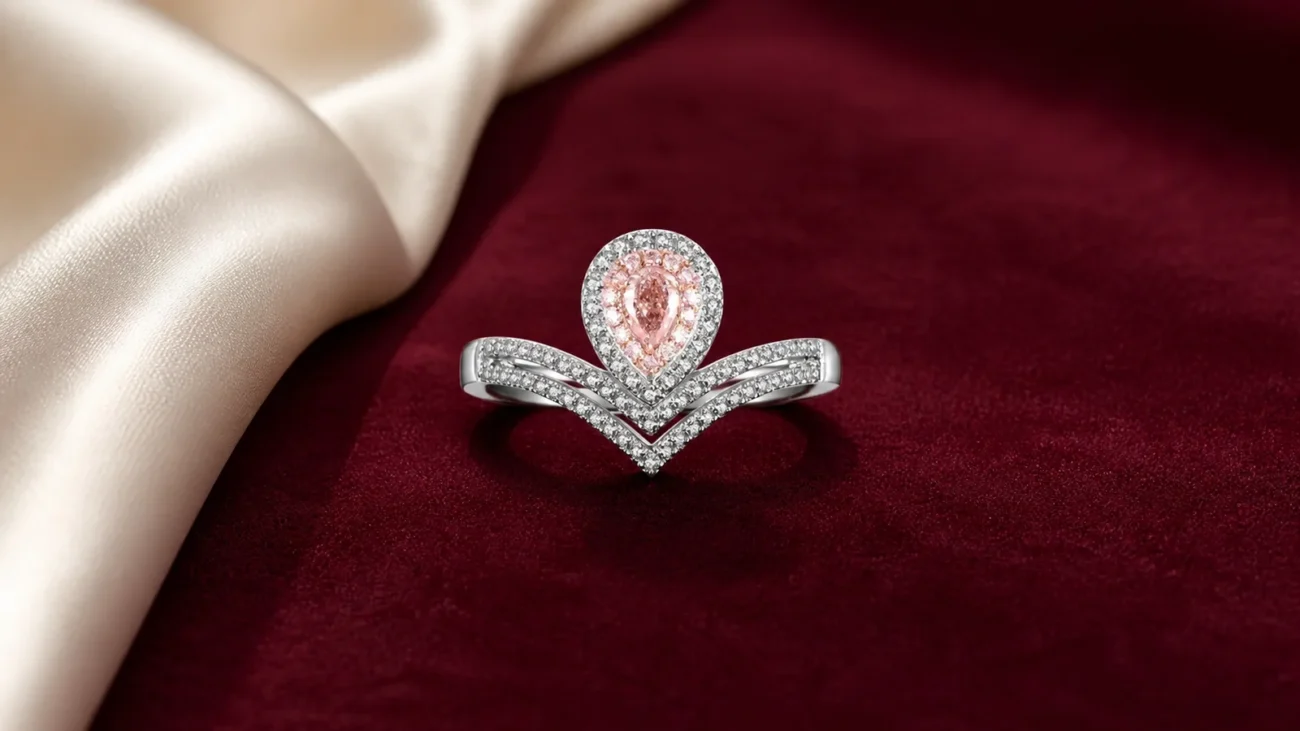
Choose a women's sunshine diamond ring gift by checking her style, exact ring size, verified listing details, daily routine, and current store policies.